The Wintergarden
I play in the dirt and bury seeds; then plants happen. Vermiculite is expensive and prosecutors suck.

Well, as you can see, our garden is doing quite spectacular:
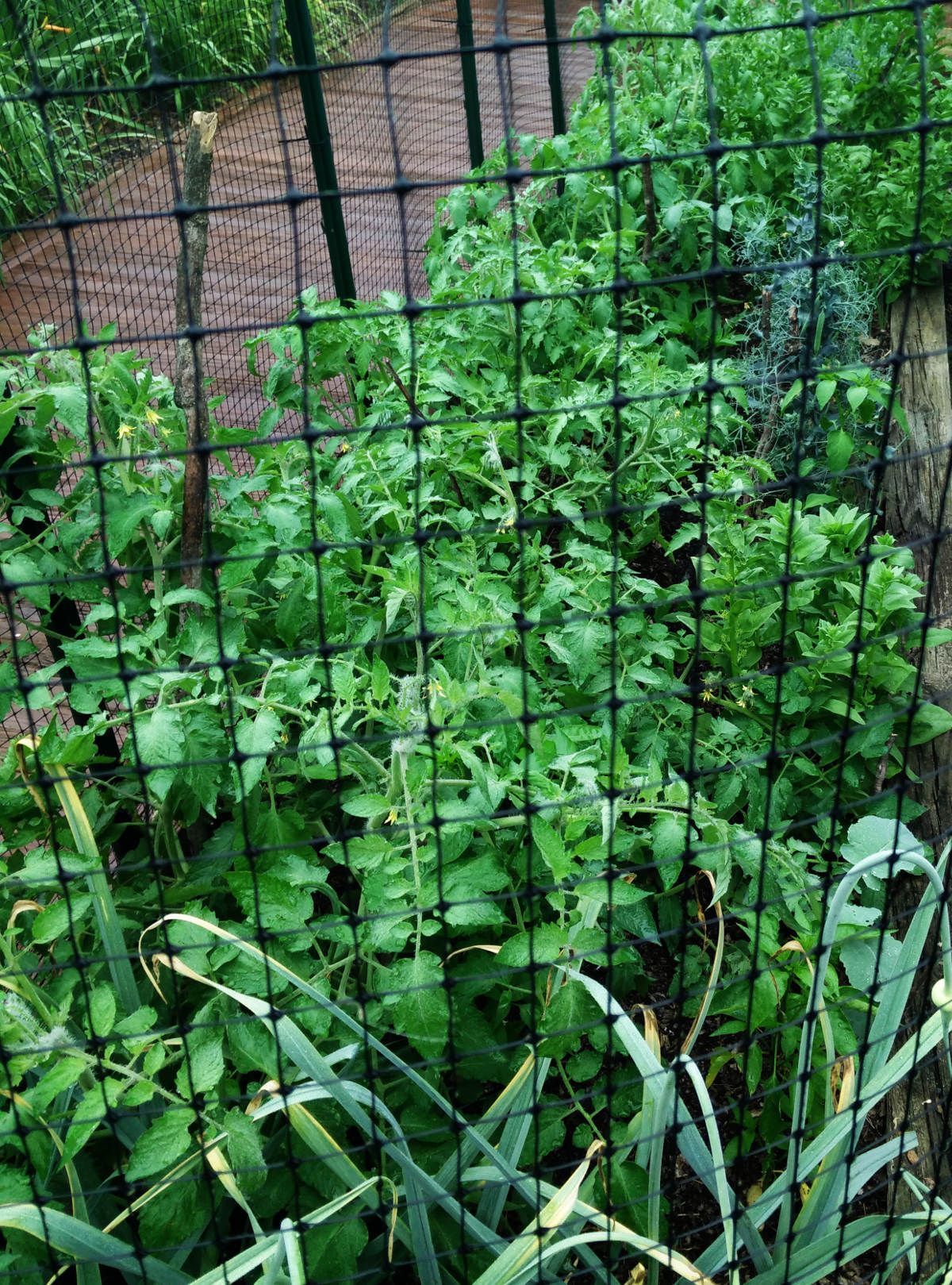
But, for the full story, we have to go back to last August, when I decided to supercharge one of the raised beds at my parents' house...
Hügelkultur
Hügelkultur is a gardening approach that essentially creates a raised bed out of (or atop) a pile of compostable organic material. The word comes from the Germans and translates to mound culture. And, if we're going to be speaking German, then of course every noun has to be capitalized as though it's a proper noun...
Let's give it a try:
I wanted to replace the crappy Clay in this Bed with a high-quality Mix of Soil; so, I used a Shovel to—
Okay; I can't keep that up. Needless capitalization is stupid and gives me a hüge Headache. Get your act together, Germans!
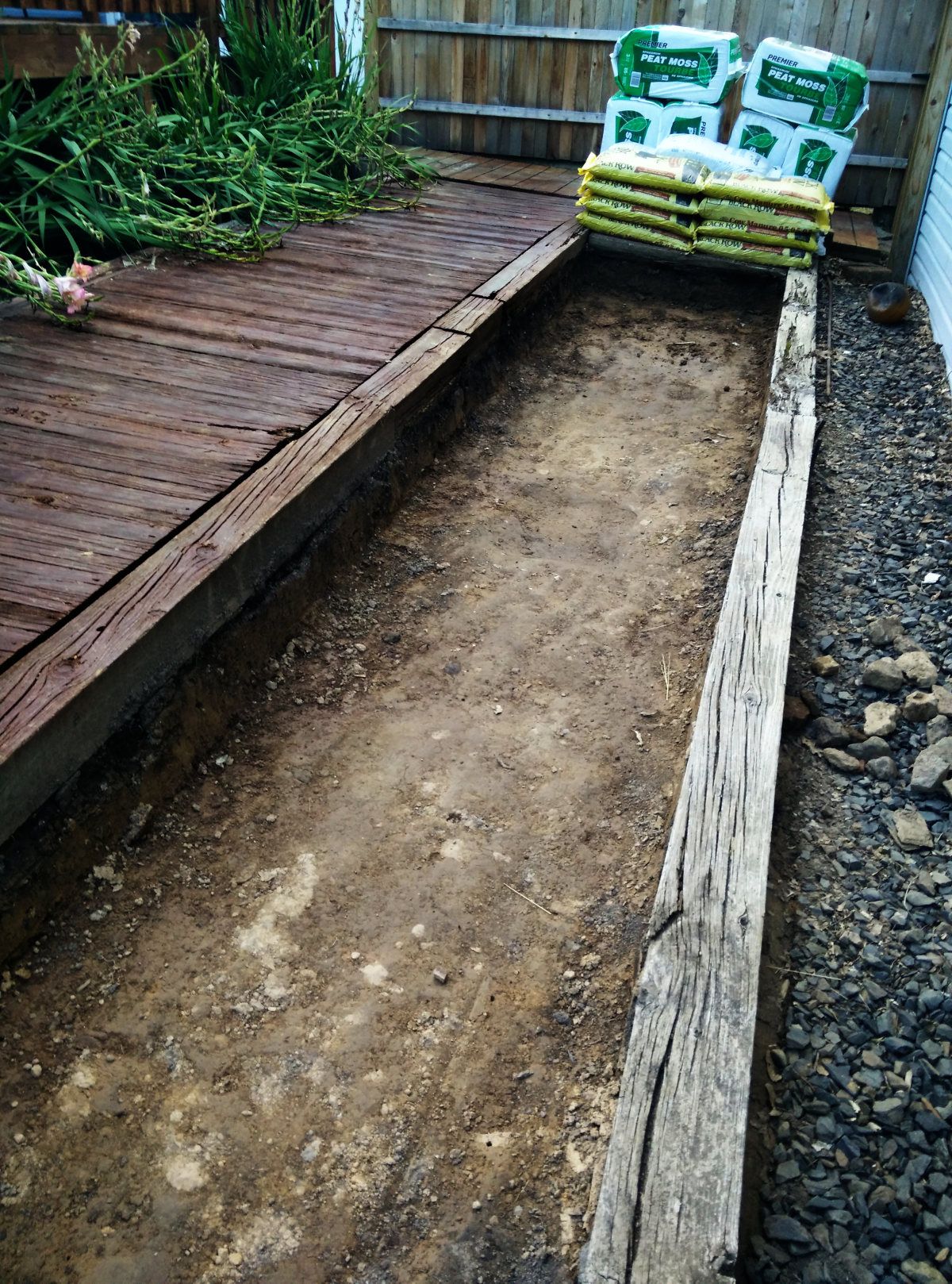
Now I had an empty raised bed that I could fill with... well, whatever I wanted! And, let's be honest: Even rods of spent uranium would probably prove to be a better growing medium than straight clay.
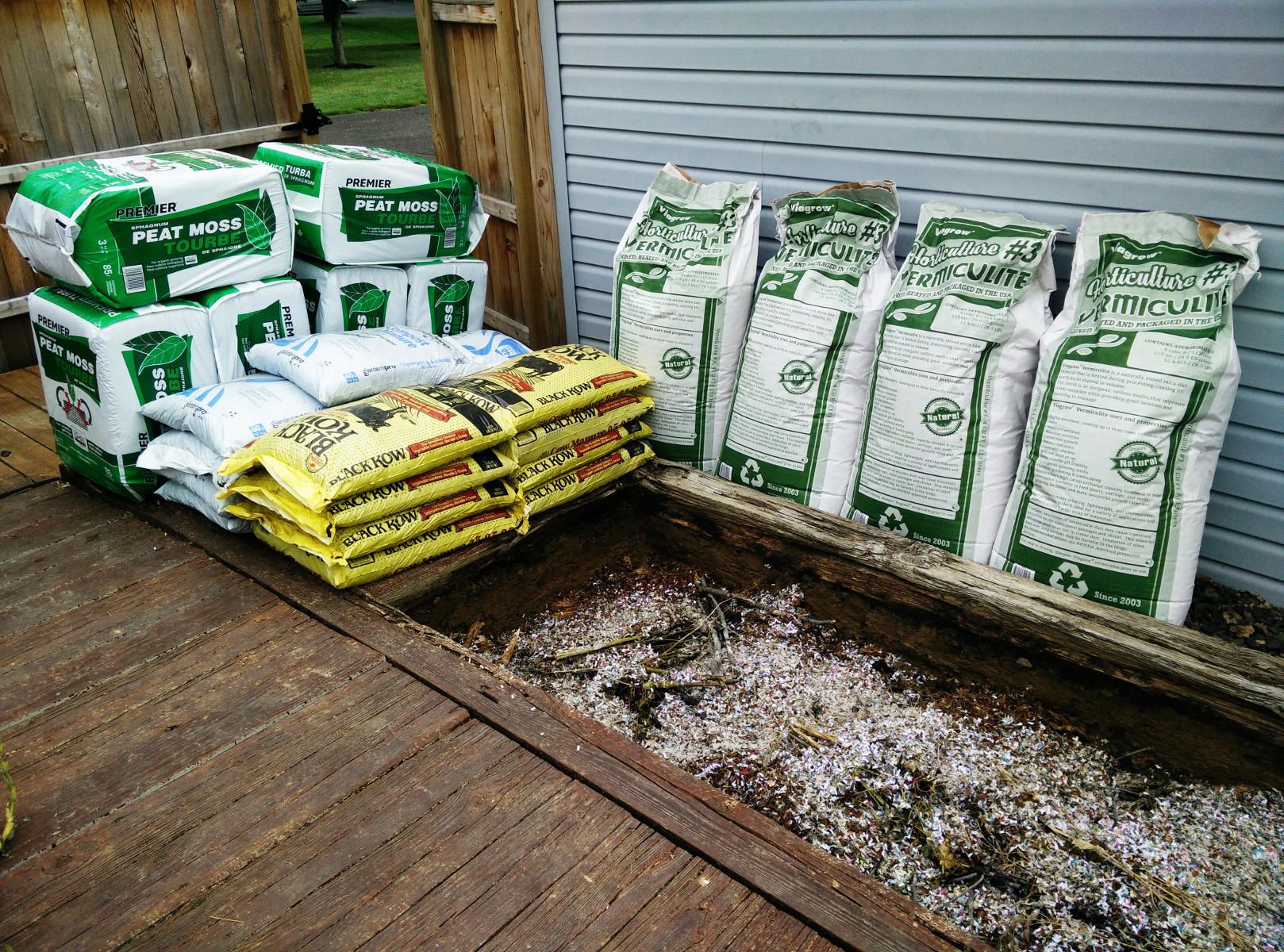
But, I figured I'd go with "Mel's mix": a 1:1:1 mix of peat moss, compost, and vermiculite (named for Mel Bartholomew of "square-foot gardening" fame).
So, to backtrack a bit, I had about ~66ft2 here; and I had decided I'd dump a maximum of $300 into the project. That would be enough to purchase ~9-10 inches' worth of soil (vermiculite has really gone up in price lately—I'm not exactly sure why).
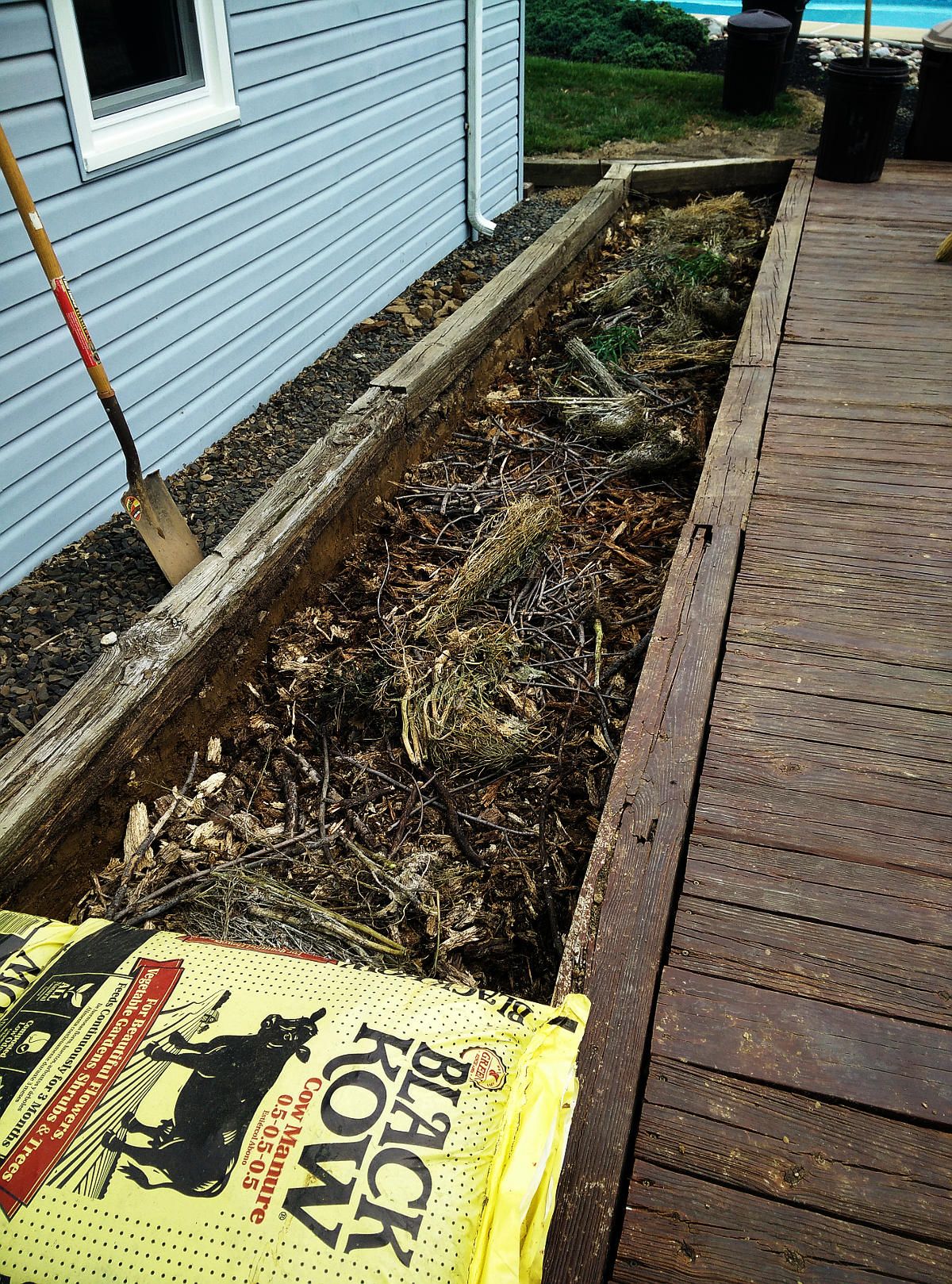
Then I calculated how much organic matter I could scrounge from the reaches of my parents' property: sticks and leaves; ashes from their fire pit; shredded paper and cardboard; and an old tree stump from which I could hack out some spongy chunks of rotting wood that looked like pumpkin meat. I packed half a dozen garbage cans to the gills.
How much extra depth would that all give me? A casual eyeballing of it said 8-10 inches easily! Actual geometry said maybe 2-3 inches tops. But anyway, that's how I'd decided to dig to 13 inches.
So, I piled this all in so it could slowly break down over the next 5-10 years:
Then I had to mix up my metric ton of Mel's mix. I skimped on the compost somewhat, because store-bought compost tends to be supremely low-quality these days. Plus, I can make my own compost with minimal effort for free, whereas I don't have my own peat bog or volcanic mine to source peat moss or vermiculite. <shrug>
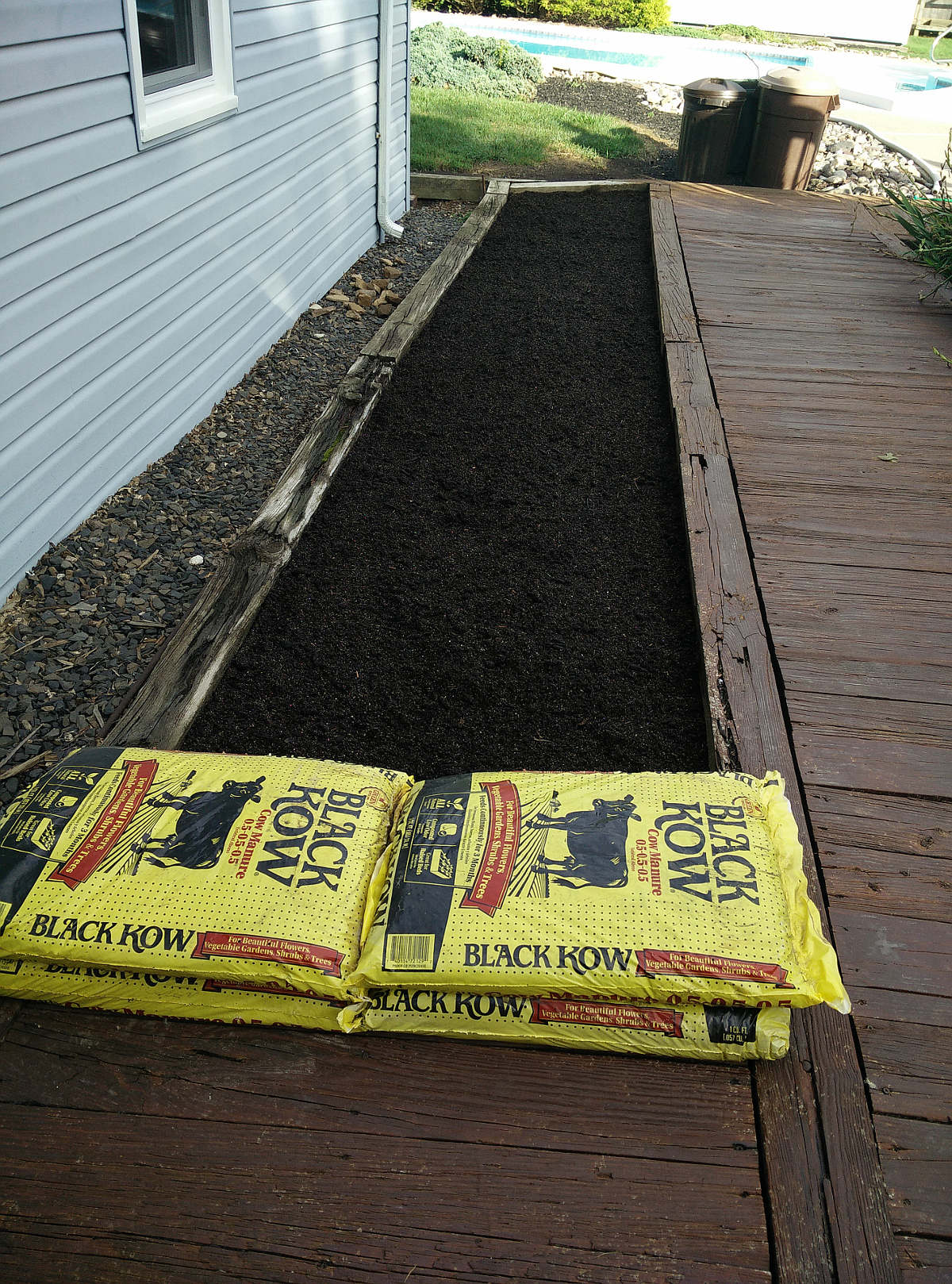
Then I filled the bed and mulched it with the last of the manure, two cans' worth of homemade compost, and a heavy coating of autumn leaves, and played the waiting game until spring. (Except for planting my garlic in October.)
Spring Forward
Fast-forward to late February: It was finally time to plant! (Indoor seedlings at least. Direct-sown seeds still had to wait until April.)
Special thanks to my Aunt Lois for the "seed money"—which is typically a term used figuratively, but applies 100% literally in this case :)
Anyway, this was the garden coming into June:
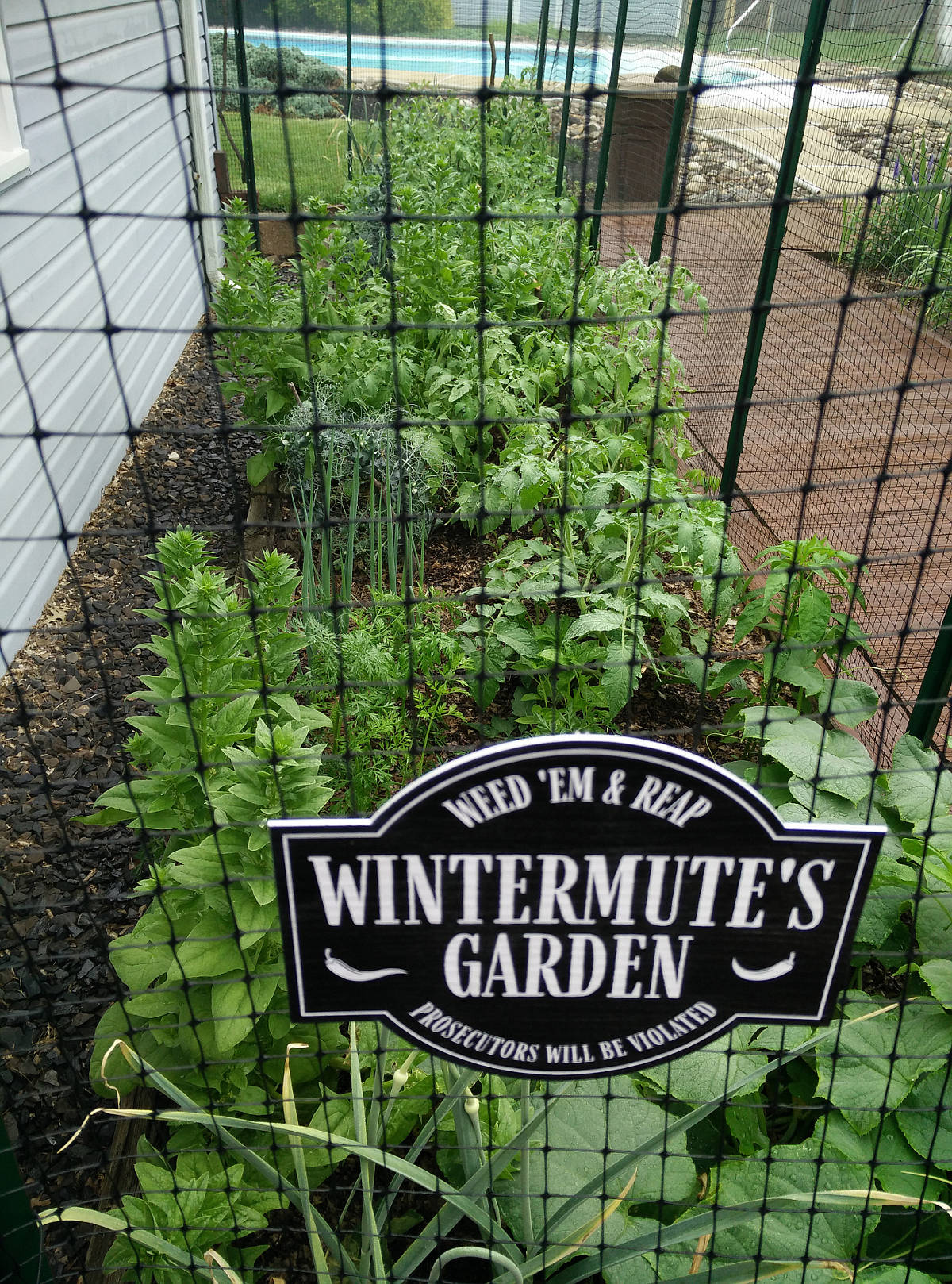
From front to back in the above picture, we have garlic, cucumbers, spinach, basil, carrots, Vietnamese coriander, tomatoes, peppers, scallions, snap peas, cilantro, and broccoli. (Mint is in its own pot over on the deck: It'll take over the entire bed if you plant it in the ground.)
Mostly stellar results, although I had zero luck with my eggplants, and I only had one broccoli seedling survive into adulthood. We had a lot of freak frosts well into the spring, and I wasn't terribly happy with the lighting I was using in the basement.
Spider-Man
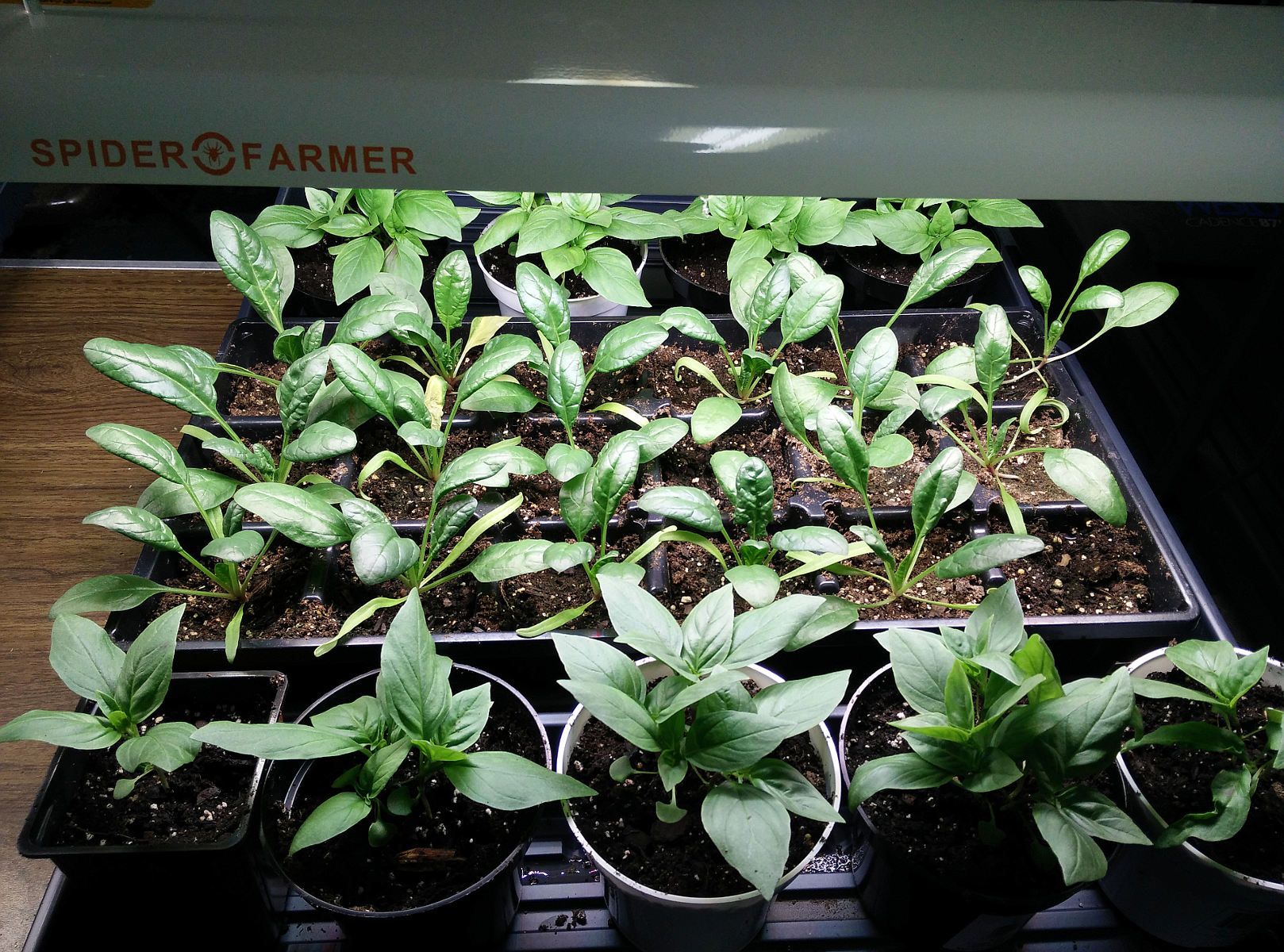
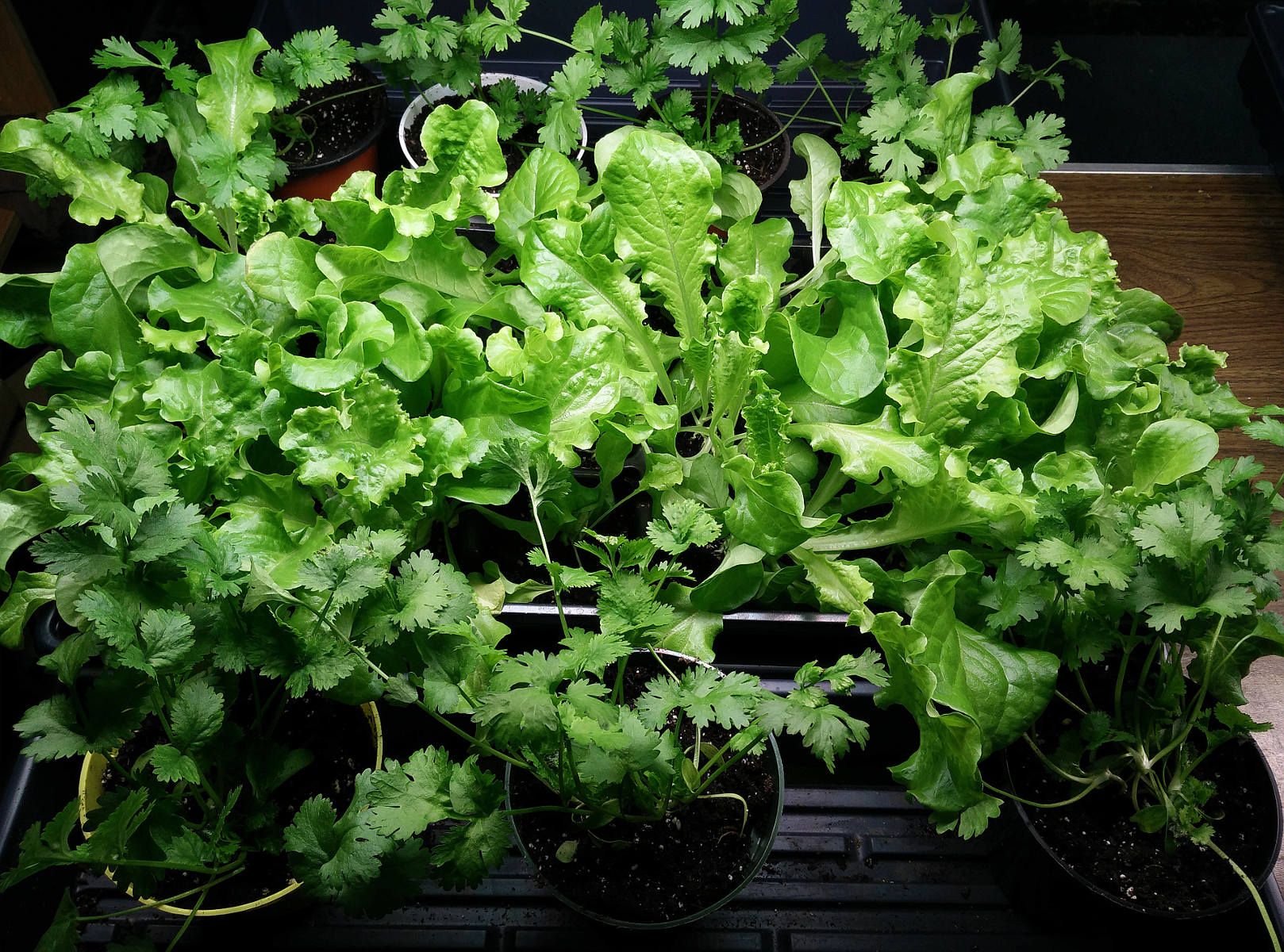
Athennia helped rectify the lighting issue by buying me some new Spider Farmer lights back in May! And, toward the end of the month, we planted a new batch of spinach, lettuce, basil, and cilantro seedlings:
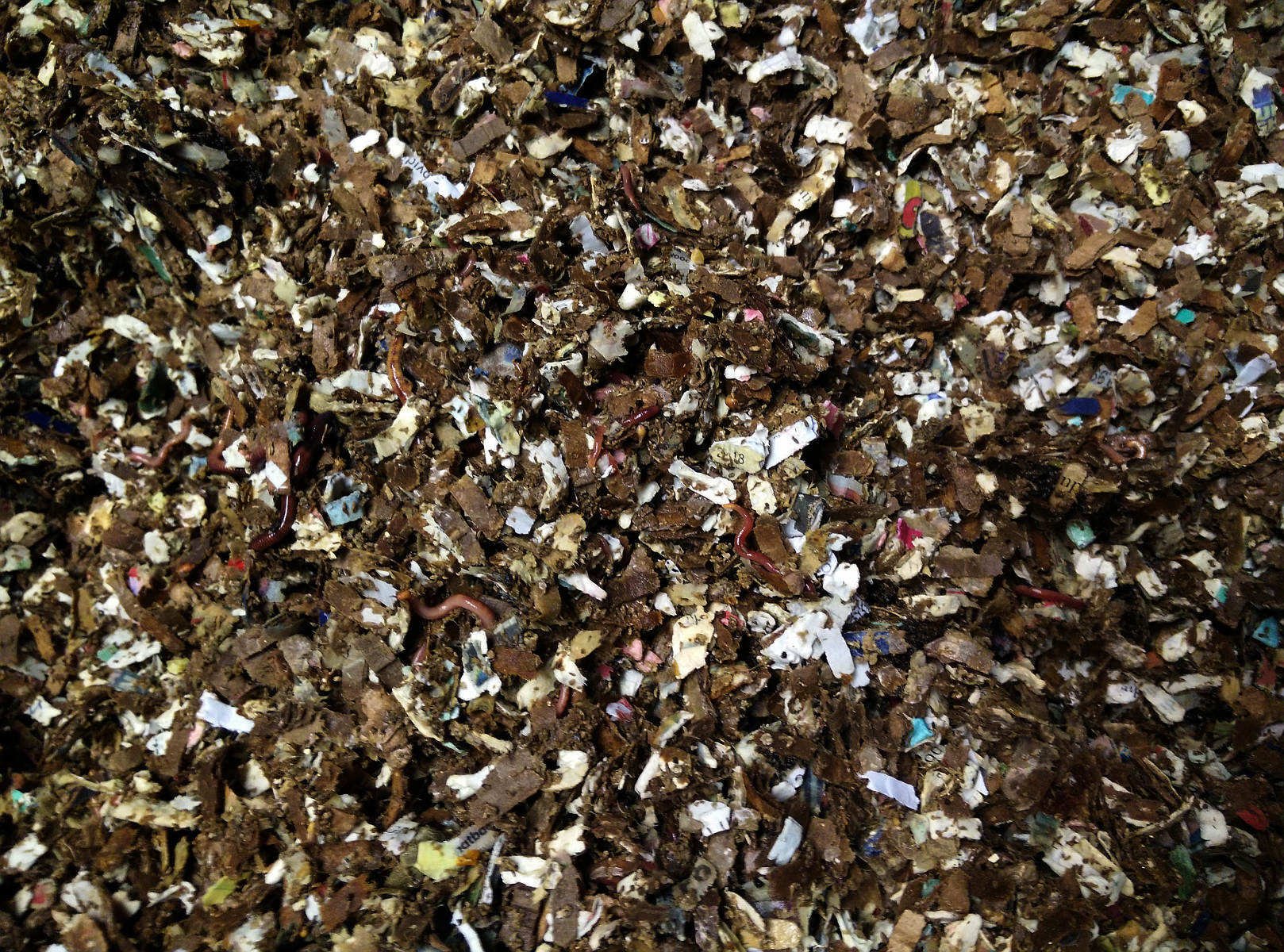
Finally, thanks as always to my ever-loyal composting worms for their constant hard work in turning my garbage into a clean source of compost I can use indoors without worrying about bringing in mold spores, insect eggs and larvae, or any other unwanted pests: